
What are the Best XLR Mics For Church Podcasting?
Choosing the right XLR microphone can make a huge difference in the clarity, warmth, and professionalism of your church’s podcast. Whether you’re recording sermons, Bible discussions, or staff interviews, the right mic helps volunteers capture clean audio without frustration. In this 2025 guide, we’ll highlight three excellent XLR microphones suited for different church needs—including the well-known Shure SM7B—and explain when each mic makes the most sense.
What Matters Most in Church Podcasting Mics
Before comparing microphones, here are the qualities that matter most for church environments:
- Good background noise rejection (many rooms aren’t soundproof)
- Warm, natural vocal tone for pastors and leaders
- Simple volunteer operation
- Durability for years of ministry use
- Compatibility with church audio interfaces
All three mics in this list work in a wide range of church settings, but each has strengths depending on your workflow.
Shure SM7B
Best Overall for Professional Church Podcasts
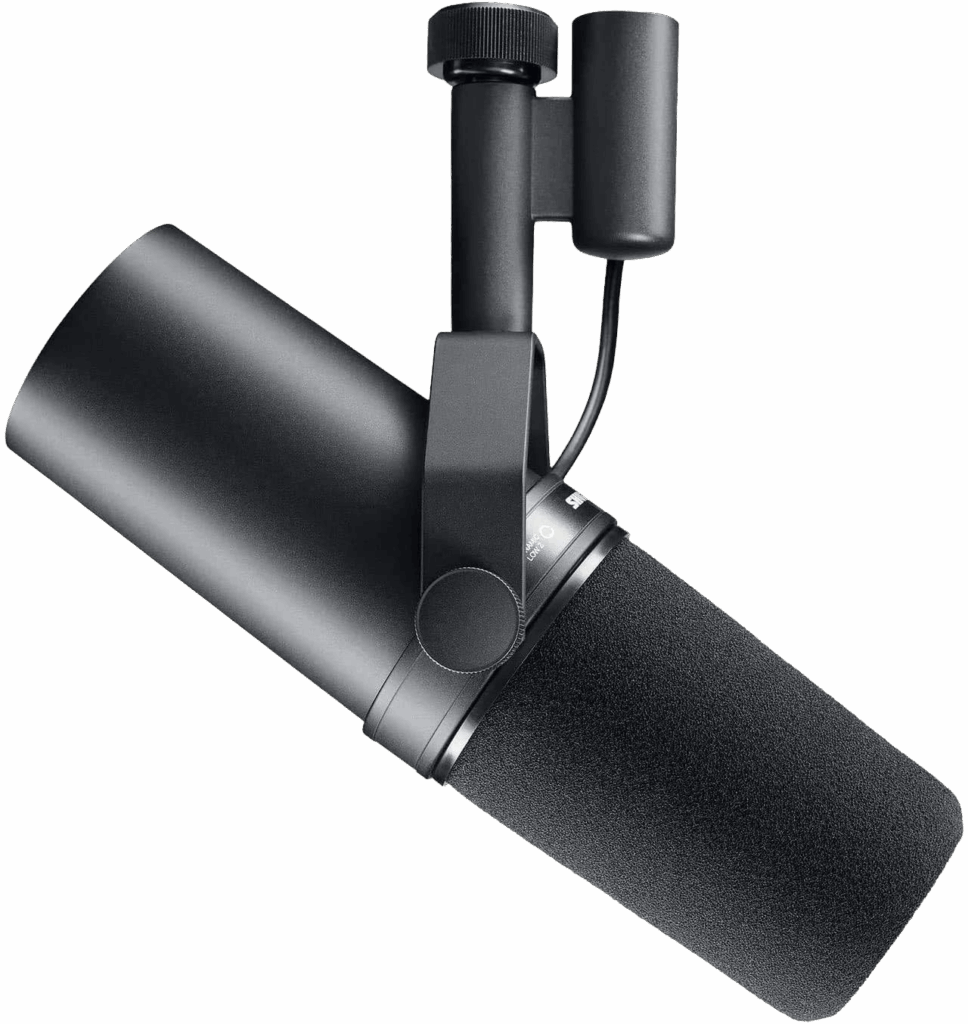
The Shure SM7B is a classic broadcast microphone used by major podcasters, radio hosts, and churches that want the most polished sound possible. It provides a warm, rich tone that is especially flattering on spoken voice.
Why Churches Love It
- Extremely natural voice sound
- Excellent noise rejection—great for non-soundproofed rooms
- Handles loud and soft speakers equally well
Important Note: May Need Extra Gain
The SM7B is a gain-hungry microphone, which means most churches will likely want a Cloudlifter or similar inline preamp to boost the signal before it reaches the audio interface or mixer.
Best Use Case
Churches wanting podcast audio that sounds close to professional broadcast or radio.
Audio-Technica
AT2020 XLR
Best Budget-Friendly Option
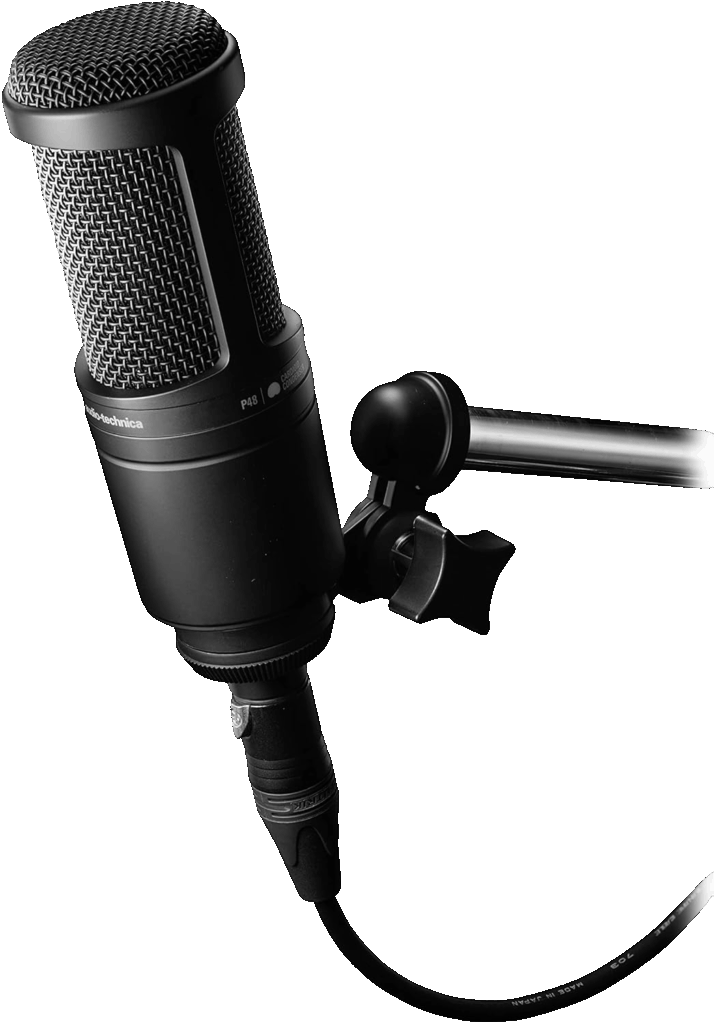
Audio-Technica AT2020 XLR — Best Budget-Friendly Option
The AT2020 XLR is one of the most reliable and affordable condenser microphones for spoken word. It delivers clear, crisp audio without the higher price of broadcast mics.
Why Churches Choose It
- Very affordable yet clean-sounding
- Great for spoken-word podcasts and narration
- Lightweight and easy for volunteers to handle
Considerations
- As a condenser microphone, it picks up more room sound than a dynamic mic.
- Works best in quieter rooms or small office spaces used for podcasting.
- Requires an audio interface that provides phantom power, which most modern interfaces include by default.
Best Use Case
Churches starting their first podcast or recording in a quieter room with minimal background noise.
Rode Procaster
Best for Noisy Rooms
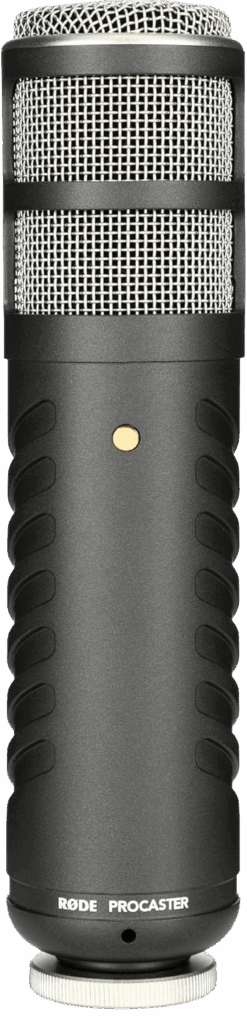
The Rode Procaster is a dynamic broadcast microphone built specifically for voice. It offers excellent background noise rejection without needing as much gain as the SM7B.
Why Churches Like It
- Strong isolation from environmental noise
- Full, broadcast-style sound
- Usually does not require a Cloudlifter
- Durable and built for long-term use
Considerations
- Slightly heavier tone than the AT2020
- Requires good mic technique (speaking close to the mic)
Best Use Case
Rooms with HVAC noise, hallway sound, or non-studio environments often found in churches.
Comparison Table
| Microphone | Type | Voice Sound | Noise Rejection | Extra Gear Needed | Best For |
|---|---|---|---|---|---|
| Shure SM7B | Dynamic | Warm, broadcast-quality | Excellent | Recommend a Cloudlifter or inline preamp | Professional church podcasts |
| AT2020 XLR | Condenser | Clear, crisp | Moderate | Interface with phantom power | Budget-friendly setups |
| Rode Procaster | Dynamic | Full & punchy | Very good | None (usually) | Noisy or untreated rooms |
Which Mic Should Your Church Choose?
Choose the Shure SM7B if…
- You want the most professional sound
- You have an audio interface with a Cloudlifter or clean gain
- You record in a room with mild background noise
Choose the AT2020 if…
- You want an affordable, simple starting point
- You’re recording in a quiet office or classroom
- You need good clarity without a high price
Choose the Rode Procaster if…
- You record in noisy, untreated rooms
- You want strong sound isolation
- You want a broadcast mic that rarely needs extra gear
Additional Gear Churches May Need
To complete the podcasting setup, churches should consider:
- Cloudlifter (recommended for SM7B)
- Boom arm or desk stand
- Pop filter
- Audio interface (Focusrite, PreSonus, or similar)
- Closed-back headphones for monitoring
These items help volunteers produce clean, consistent audio every time.
Final Thoughts
Choosing the right microphone can make your church’s podcast sound polished and professional. The Shure SM7B delivers a premium broadcast tone, the AT2020 offers a great entry point for tight budgets, and the Rode Procaster performs well in noisy rooms. With the right mic—and a bit of practice—your team can capture clear, meaningful conversations that serve your congregation and online community.
Check out our related posts:
- Four Great Audio Mixers for Church Livestreaming (Analog vs Digital)
- How to Troubleshoot Audio Issues in the ATEM Mini
This post may contain affiliate links. As an Amazon Associate, I earn from qualifying purchases.